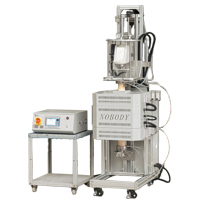
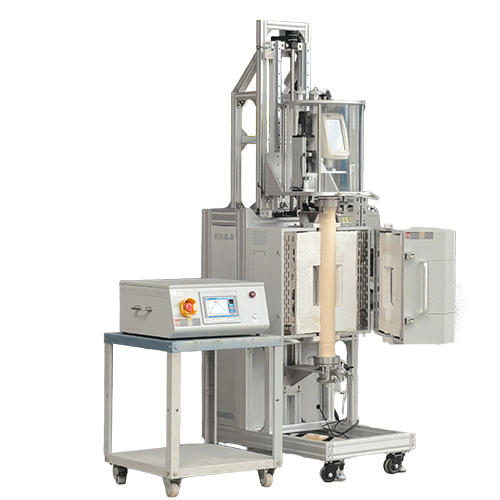
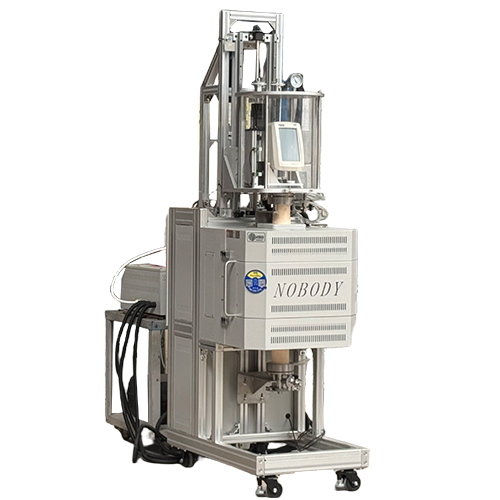
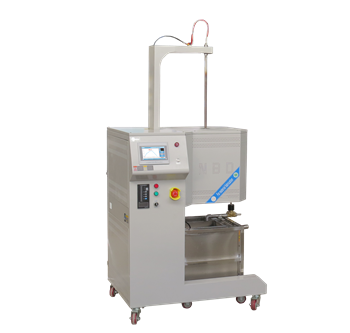
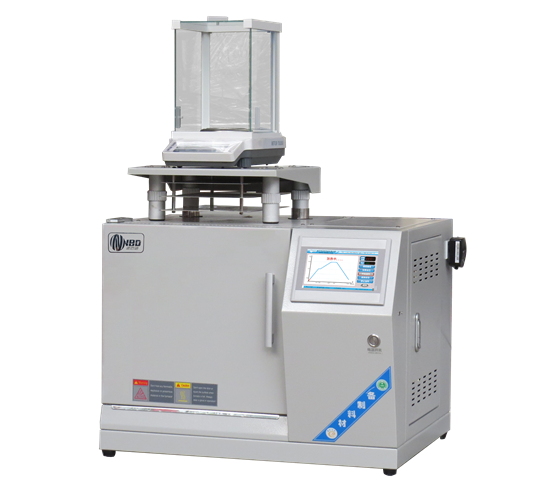
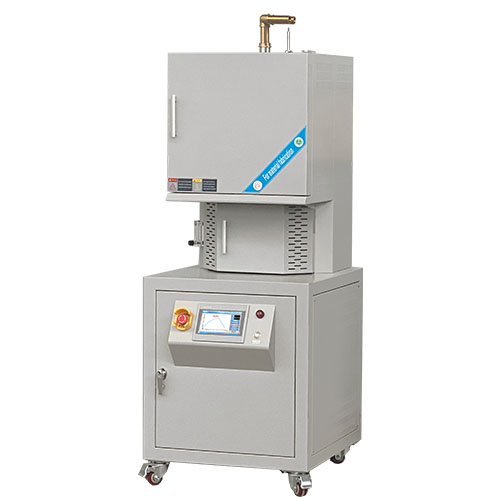
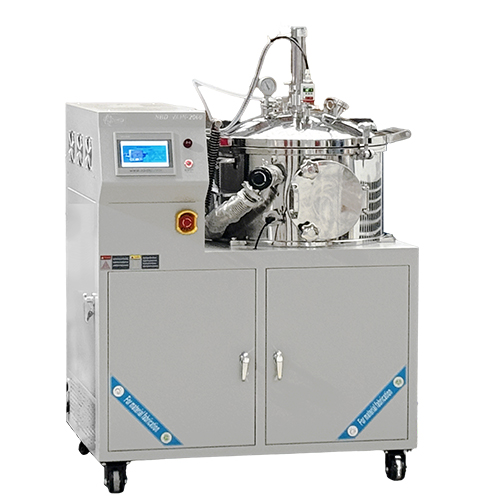
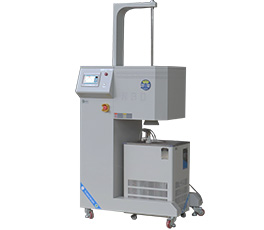
The core of the high-temperature physical performance testing furnace is to accurately measure the mechanical, thermal, electrical, chemical and other properties of materials under controllable high temperature/atmosphere/vacuum conditions, covering a wide range of fields such as aerospace, metallurgy, materials, energy, electronics, geology, and scientific research.
1、 Aerospace and Military Industry
High temperature tensile/compression/bending/fatigue/creep/endurance testing (1000-1700 ℃) of turbine blades, combustion chambers, and nozzles for high-temperature alloy/ceramic matrix composites (CMC).
Thermal protection materials: Aerospace insulation tiles, high-temperature ablation, thermal conductivity, and thermal expansion testing of carbon/carbon composite materials.
High temperature stability and mechanical performance evaluation of military special materials: armor ceramics, high-temperature seals, and rocket propellant components.
2、 Metallurgy and Metal Materials
Steel/high-temperature alloys: simulation of heat treatment processes such as annealing, quenching, tempering, solid solution, and aging; High temperature yield strength, tensile strength, creep life, and endurance strength testing.
Study on the mechanical, thermal, and oxidation resistance properties of refractory metals (W, Mo, Ta, Nb) at ultra-high temperatures (1800-3000 ℃).
High temperature phase transformation, microstructure evolution, and mechanical behavior testing of intermetallic compounds/special alloys such as TiAl, Ni ∝ Al, and high entropy alloys.
3、 Advanced Materials Research and Development (Core of Materials Science)
Structural ceramics: High temperature bending resistance, compression resistance, fracture toughness, and thermal shock stability testing of SiC, Si ∝ N ₄, Al ₂ O ∝, and ZrO ₂.
Functional ceramics: High temperature electrical, thermal, and electrochemical properties of piezoelectric, ferroelectric, superconducting, and solid oxide fuel cell (SOFC) electrolytes.
Composite materials: High temperature interface bonding, mechanical properties, and thermal stability of C/C, C/SiC, and metal/ceramic matrix composites.
Glass/refractory materials: high temperature viscosity, softening point, thermal expansion, crystallization, refractoriness, slag erosion resistance testing.
4、 Energy and Environmental Protection
Thermal power/nuclear power: high-temperature creep, fatigue, corrosion, and post irradiation performance of boiler tubes, turbine blades, nuclear fuel cladding, and reactor internals.
New energy: electrolyte/electrode high-temperature electrochemical performance of SOFC and proton ceramic fuel cell (PCFC); High temperature hydrogen absorption and desorption kinetics of hydrogen energy storage materials.
Environmental Protection and Catalysis: High temperature activity, stability, and poisoning resistance of denitrification/desulfurization catalysts and VOCs combustion catalysts; Simulation of high-temperature melting and solidification of solid waste and incineration of hazardous waste.
5、 Electronics and Semiconductors
Semiconductor materials: High temperature annealing, doping, thermal stress, and electrical performance testing of SiC, GaN, and sapphire single crystals.
Electronic Ceramics/Packaging: High temperature dielectric, thermal expansion, airtightness, and mechanical reliability of MLCC, LTCC, ceramic substrates, and high-temperature solder.
Thin films/nanomaterials: high-temperature stability, electrical/optical/magnetic properties prepared by CVD/PVD; High temperature phase transition and performance evolution of quantum dots and two-dimensional materials.
6、 Geology and Earth Sciences
Minerals/Rocks: Simulate mantle/crustal temperature and pressure conditions (up to 3000 ℃+10GPa), study mineral phase transitions, melting, rheology, and element distribution.
Geogeochronology: Thermoluminescence (TL) and Photoluminescence (OSL) dating require high-temperature irradiation followed by thermoluminescence curve testing.
Oil/Natural Gas: High temperature and high pressure physical properties, permeability, porosity, and thermal stability of rock cores and reservoir rocks.
7、 Research and Teaching
Universities/research institutes: Basic research and teaching experiments in subjects such as materials physics, solid mechanics, thermal engineering, geology, and chemistry.
Standard testing and metrology: Conduct standardized testing and data calibration of high-temperature mechanical, thermal, and electrical properties in accordance with GB, ASTM, ISO, and JIS.
8、 Other industrial sectors
Automotive/Marine: High temperature fatigue, oxidation, and thermal fatigue testing of engine turbochargers, exhaust systems, and high-temperature seals.
Building materials/fire resistance: The fire resistance, load softening temperature, thermal conductivity, and thermal shock resistance of high-temperature kiln furniture, refractory bricks, and insulation materials.