Add Time: 2026-01-15 View:465
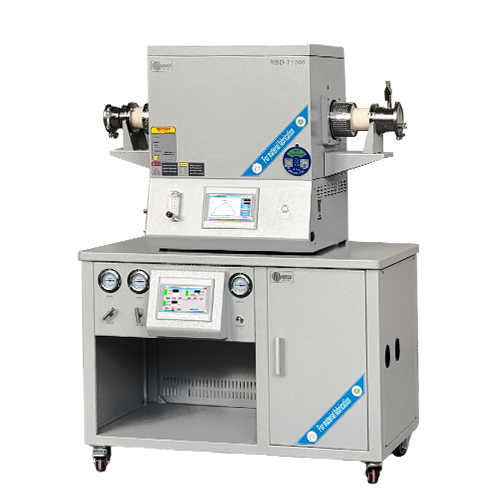
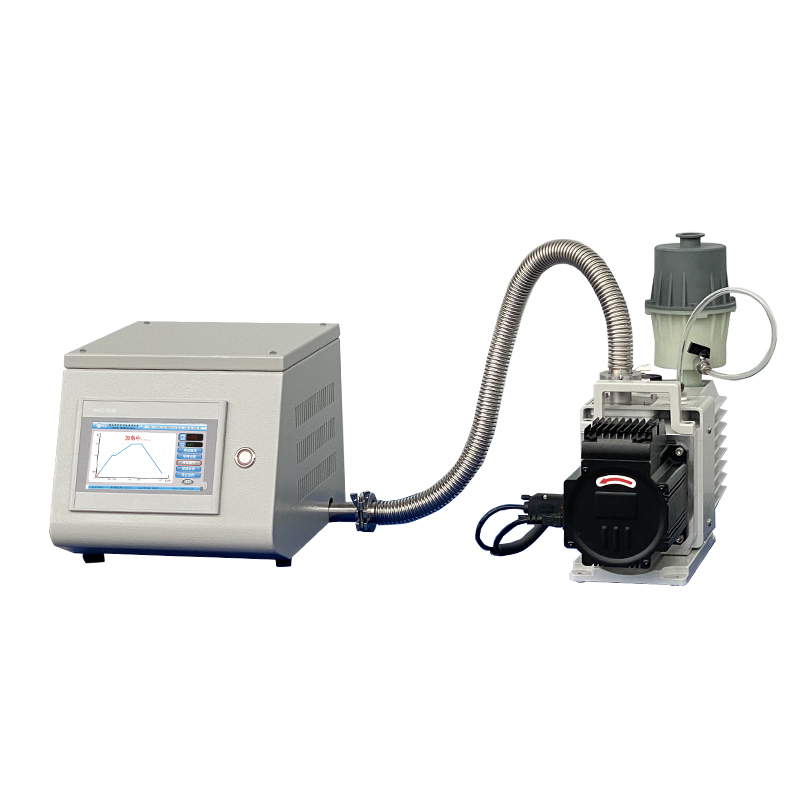
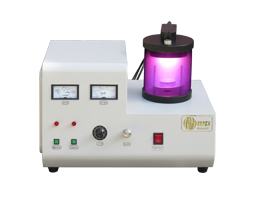
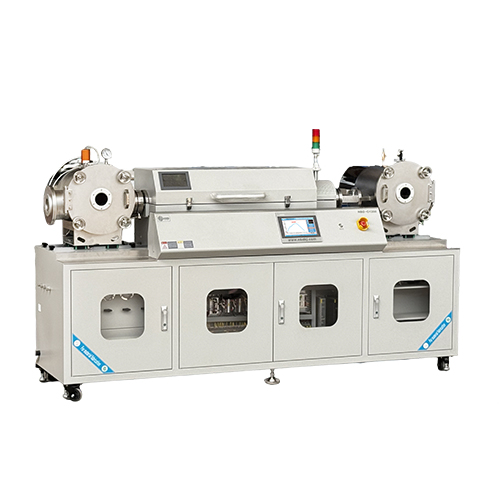
-- A cutting-edge material synthesis platform for high-crystalline quality thin films, wide bandgap semiconductors, and advanced ceramic coatings. High-temperature CVD systems refer to chemical vapor deposition equipment with an operating temperature of ≥1000°C (typically 1000–1700°C). By activating precursor gases at high temperatures, thermal decomposition or chemical reactions occur on the substrate surface, resulting in the formation of functional thin films or coatings with high compactness...
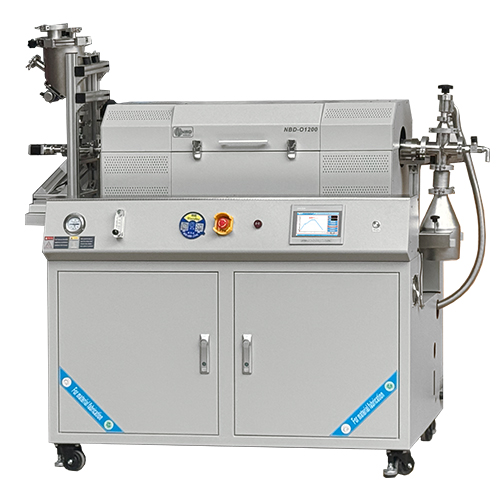
![]() ![]() | Features of the equipment: Essential differences from conventional CVD: no plasma assistance required (pure thermal drive), avoiding ion damage; high atomic migration rate → complete film crystallization and fewer defects; suitable for high melting point materials (such as SiC, GaN, diamond, BN). | ||
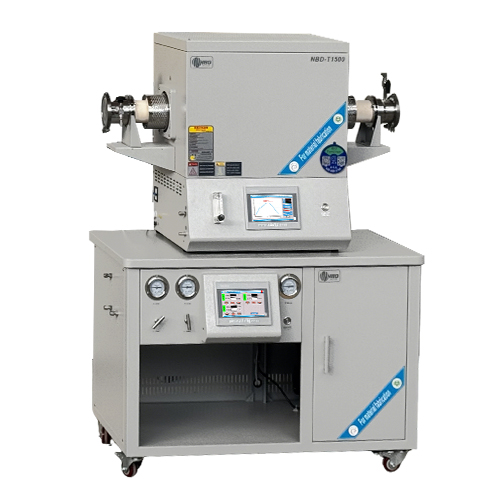
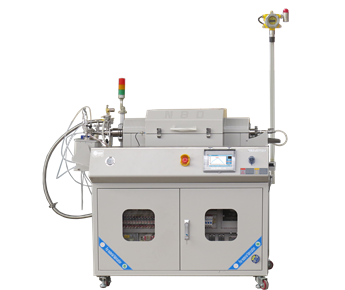
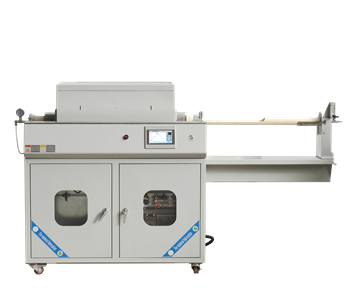
Device Name | tubular furnace | ||
Specification Model | NBD-T1500-80TI | ||
power supply | Single-phase 220V 50Hz | ||
rated power | 3.0KW | ||
temperature control accuracy | ±1℃ | ||
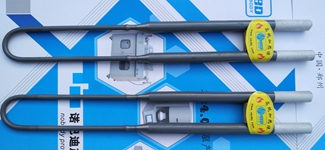
heating element |
| High-purity silicon carbon rod | |
| Appointment sintering | ![]() | Optimize equipment utilization, ensure sintering process stability, save waiting time, and achieve efficient and orderly sample preparation. | |
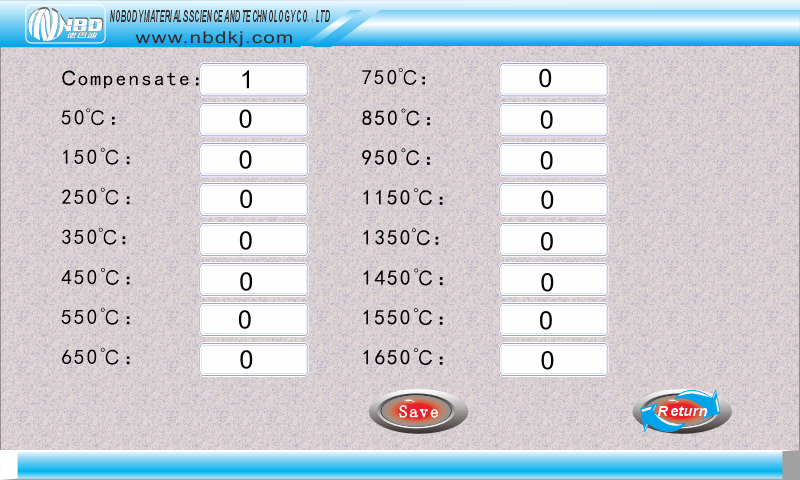
| Nonlinear temperature compensation | ![]() | By using algorithms to nonlinearly correct the temperature deviation between the control point and the sample due to their different positions in the temperature field, the consistency between the control temperature and the sample temperature is improved, the operation is simplified, and the accuracy of experimental data is enhanced. | |
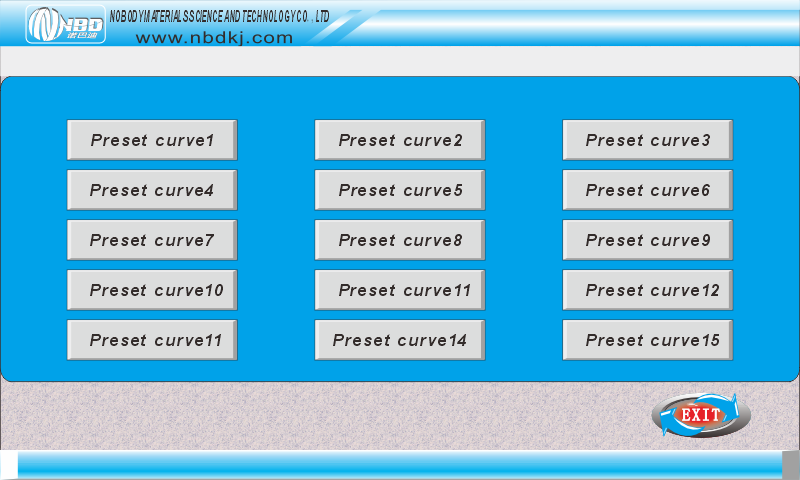
| Multiple sets of exclusive process programs can be pre-set | ![]() | By using algorithms to nonlinearly correct the temperature deviation between the control point and the sample due to their different positions in the temperature field, the consistency between the control temperature and the sample temperature is improved, the operation is simplified, and the accuracy of experimental data is enhanced. | |
sensor type | Type S thermocouple | ||
Tmax | 1500℃ | ||
Long-term operating temperature | 1450℃ | ||
Recommended heating rate | ≤10℃/min | ||
Furnace temperature zone dimensions | Φ150*310mm | ||
Tube specification | Corundum tube φ80*1000mm (inner diameter 70mm) | ||
intake control | One-way float flowmeter 20-200ml/min | ||
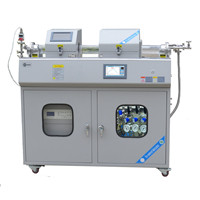
automatic gas mixing cabinet | Power supply: AC220V 50HZ Two-channel mass flowmeter: 3L/min Vacuum pump type: DRV5 KF25 interface | ||
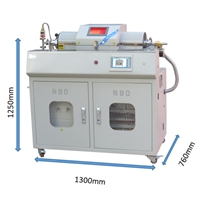
furnace body dimensions | Tube furnace: length 1140mm, height 740mm, depth 580mm Automatic air mixing cabinet: length 1115mm*height 785mm*depth 680mm | ||
furnace body weight | Tube furnace: about 80KG; automatic gas mixing cabinet: about 90KG | ||
![]() | 1. Characteristics and main application areas of gas mixing cabinet A Mass gas flow controller (meter), abbreviated as MFC (MFM), is a device that precisely measures and controls the mass flow rate of gas. Features of S500 mass flow controller (flowmeter): ☆ High pressure resistance and suitable for operation under vacuum conditions. Low pressure drop. Wide operating pressure range, with gas flow not changing due to temperature or pressure variations. The main body is constructed with stainless steel (316L) and sealed with materials such as VITON and polytetrafluoroethylene. It is suitable for various corrosion-resistant gases. The circuit board, valve body, spring leaf, precision resistor, and other important components all meet strict incoming standards. ☆ It features high accuracy, good repeatability, fast response speed, soft start, and stable and reliable operation. ☆ Can be installed at any position. Electrical operation control display, easy to use. Easy to coordinate with electrical systems or automatic control systems. ☆ When paired with the MT-60 series flow totalizer, it can accurately measure the instantaneous and cumulative flow of gas. | ||
The flow rate of a mass flow controller (flowmeter) is typically calibrated with nitrogen (N2) before leaving the factory. The unit of mass flow rate is mL/min (milliliters per minute); (SCCM industry standard) L/min (liter per minute). (SLM industry standard) The standard state is: temperature ---- 273.15K (0℃); Atmospheric pressure - 101325Pa (760mmHg). F. S (Full Scale): indicates the full-scale value | |||
Traffic Specification | (5,10,30,50,100,200,300,500)mL/min (1,2,3,5,10)L/min | ||
Control valve type | Electromagnetic regulating valve | ||
Regulating valve in static state | normally closed | ||
accuracy | ±1.5%F.S | ||
linear | ±1.5%F.S | ||
repeatability accuracy | ±0.2%F.S | ||
response time | ≤4s(T95) | ||
Operating pressure difference range | (50~300)kPa;(100~300)kPa(10L/min) | ||
pressure resistance | 3MPa | ||
Working environment temperature | (5~45)℃ | ||
material | Stainless Steel 316L | ||
Standard sealing materia | VITON, EPDM, Or other options specified by the user | ||
leak rate | 1×10⁻⁸Pa.m3/s | ||
joint | Φ6mm~Φ10mm, 1/4″Swagelok。1/4″VCR。Or other options specified by the user | ||
Input and output signals | (0~+5.00)V (input impedance ≥100KΩ, load output current capability ≤3mA) | ||
power supply | ±15V(±5%)(+15V 50mA, -15V 200mA) | ||
Overall dimensions mm | 127 (width) × 102 (height) × 28 (thickness) | ||
Weight kg | 0.8 | ||
control system |
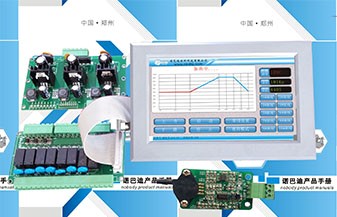
| 1. Sintering process curve setting: Dynamic display of set curves, with multiple process curves pre-stored for equipment sintering, and each process curve can be freely set; 2. Sintering can be scheduled, enabling unattended sintering process curve sintering; 3. Display sintering power, voltage, and other information in real-time, record sintering data, and enable paperless recording through export; 4. Capable of achieving remote control and real-time observation of equipment status; 5. Temperature correction: The difference between the main control temperature and the sample temperature undergoes nonlinear correction throughout the entire sintering process. | |
| Appointment sintering | ![]() | ||
| Nonlinear temperature correction | ![]() | ||
| Multiple sets of process programs can be preset | ![]() | ||
temperature accuracy | +/- 1℃ | ||
Precautions for equipment use | 1. When the temperature of the equipment furnace chamber is ≥300℃, it is forbidden to open the furnace chamber to avoid injury; 2. Slight cracks caused by continuous use of the furnace are normal and do not affect the normal use of the equipment; | ||
Service Support | 1-year warranty with lifetime support provided (excluding consumable parts within the warranty scope). | ||
1. Semiconductors and integrated circuits (largest application areas)
Logic/storage chip: deposited gate oxide layer, silicon nitride barrier layer, metal tungsten/copper interconnect layer, low dielectric (low-k) layer; 3D NAND, DRAM, FinFET/GAA structures rely on ALD/CVD to achieve high aspect ratio filling.
Power/compound semiconductors: SiC, GaN epitaxial layers (MOCVD), used for new energy vehicles and 5G base stations.
Market size: CVD equipment accounts for about 18% of semiconductor equipment; Storage chips account for about 45% of CVD demand, while logic chips account for about 35%.
2. Optoelectronics and Display
LED/OLED: OCVD growth of GaN based blue/green epitaxial wafers; PECVD preparation of OLED packaging layer and pixel isolation layer.
Laser/photodetector: InP, GaAs epitaxial (MOCVD), used for communication and sensing.
Display panel: insulation layer, passivation layer, transparent conductive film (such as ITO) of TFT-LCD/AMOLED.
3. New energy and photovoltaics
Crystalline silicon photovoltaics: PECVD deposition of anti reflective film (SiN ₓ) and passivation layer to enhance conversion efficiency.
Thin film photovoltaics: preparation of CIGS, CdTe, and amorphous silicon thin films (PECVD/MOCVD).
Hydrogen/fuel cells: deposition catalytic layer, proton exchange membrane modified coating.
4. High end manufacturing and surface engineering
Cutting tools/molds: Deposition of diamond, diamond-like carbon (DLC), TiN/TiAlN wear-resistant coatings, increasing lifespan by 5-10 times.
Aerospace: Thermal barrier coatings (such as YSZ) and anti-oxidation coatings on high-temperature alloy surfaces.
Biomedical: biocompatible coatings and antibacterial films on the surface of medical devices.
5. Nanomaterials and Advanced Carbon Materials
Graphene and carbon nanotubes (CNT): CVD is the mainstream method for large-scale preparation, used for conductive films, heat dissipation, and sensors.
Nanowires/quantum dots: Controllable synthesis of semiconductor nanowires (Si, GaN) and quantum dots for optoelectronic devices and quantum computing.