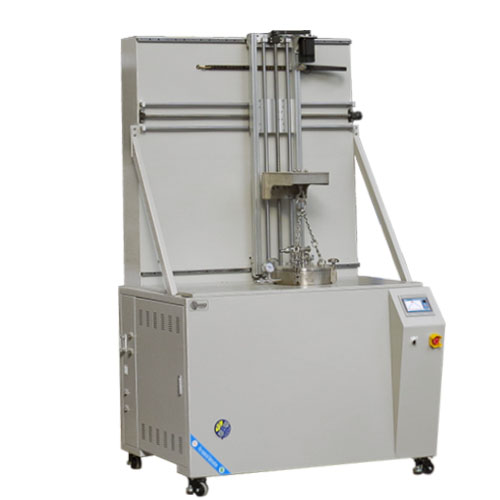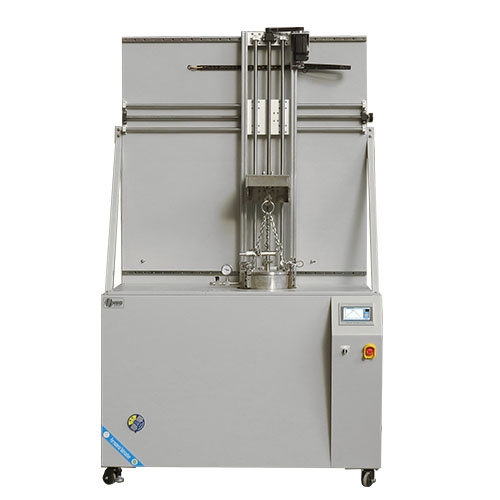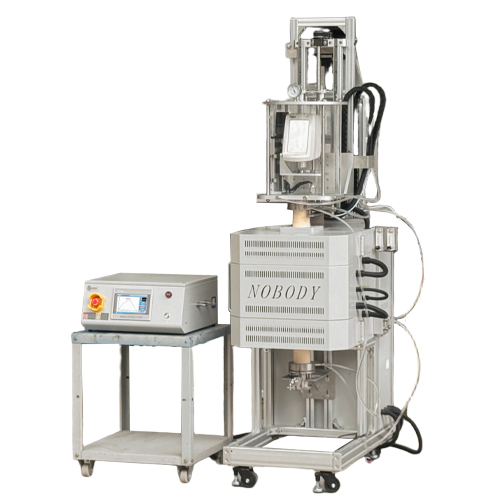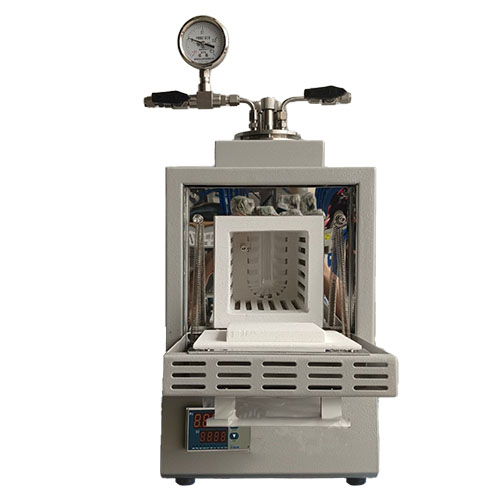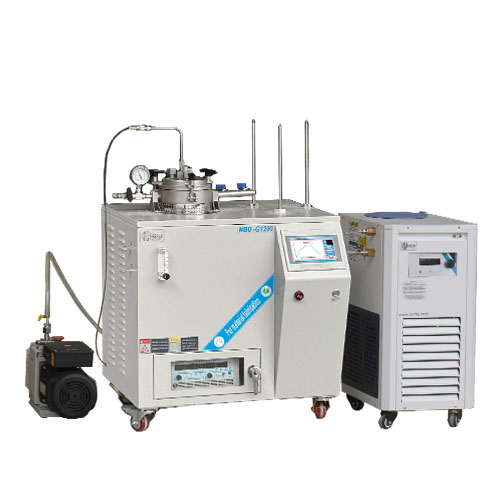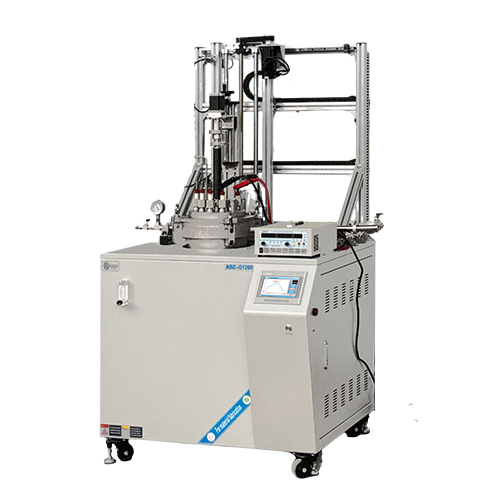
| Equipment features: 1. High temperature sintering.
2. Stable and reliable control, easy operation, and complete safety protection measures.
3. Adopting advanced PID self-learning fuzzy control, the temperature control accuracy is high, maintaining within ± 1 ℃.
4. The furnace lining is made of high-purity alumina lightweight fiber material, which has better insulation effect, energy saving and consumption reduction.
5. Equipped with Internet of Things (WIFI) function, devices can be remotely monitored and operated through mobile phones or computers.
6. The data storage function can save important sintering parameters for up to 30 days (8 hours per day).
7. Formula function, can pre store more than 20 formulas.
8. Networking function, using RJ45 interface and TCP/IP protocol, can connect the system to the upper computer (the upper computer needs to install corresponding software). |
Equipment model | NBD-WG950-270T2DF10L-N |
Equipment name | Pilot scale molten salt electroplating furnace |
power supply | Three phase 380V 50HZ |
rated power | 17KW |
Number of temperature zones | Single temperature dual control |
heating element | resistance wire |
precision | ±1℃ |
sensor type | K型热电偶 |
Tmax | 1000℃ |
Recommended heating rate | 10℃/Min |
Temperature zone size and length | Φ350*640mm |
Furnace tube material and size | 310s φ273*880/ GH3128 φ273*880 |
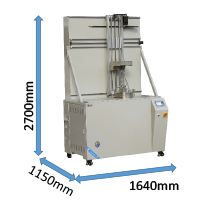
Furnace body size | Length, height, and depth: 1640 * 2700 * 1150mm |
weight | About 650KG |
control system | 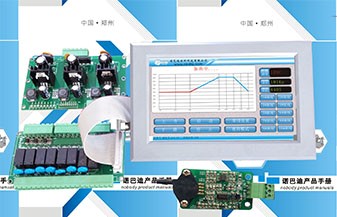 | 1. The NBD-101PE embedded operating system features a graphical interface for exchanging Chinese and English, a 7-inch true color touch screen input, and an intelligent human-machine dialogue mode;
2. Sintering process curve setting: Dynamically display the set curve, and the equipment sintering can pre store multiple process curves, each of which can be freely set;
3. Pre order sintering can be made to achieve unmanned sintering process curve sintering;
4. Real time display of sintering power, voltage, and other information, recording of sintering data, and exporting to achieve paperless recording;
5. It has the ability to achieve remote control and real-time observation of equipment status;
6. Temperature correction: The difference between the main control temperature and the sample temperature is nonlinearly corrected throughout the sintering process;
Reserved 485 interface supports MODBUS protocol, allowing customers to remotely collect firing temperature data from a computer. |
Appointment sintering Optimize | 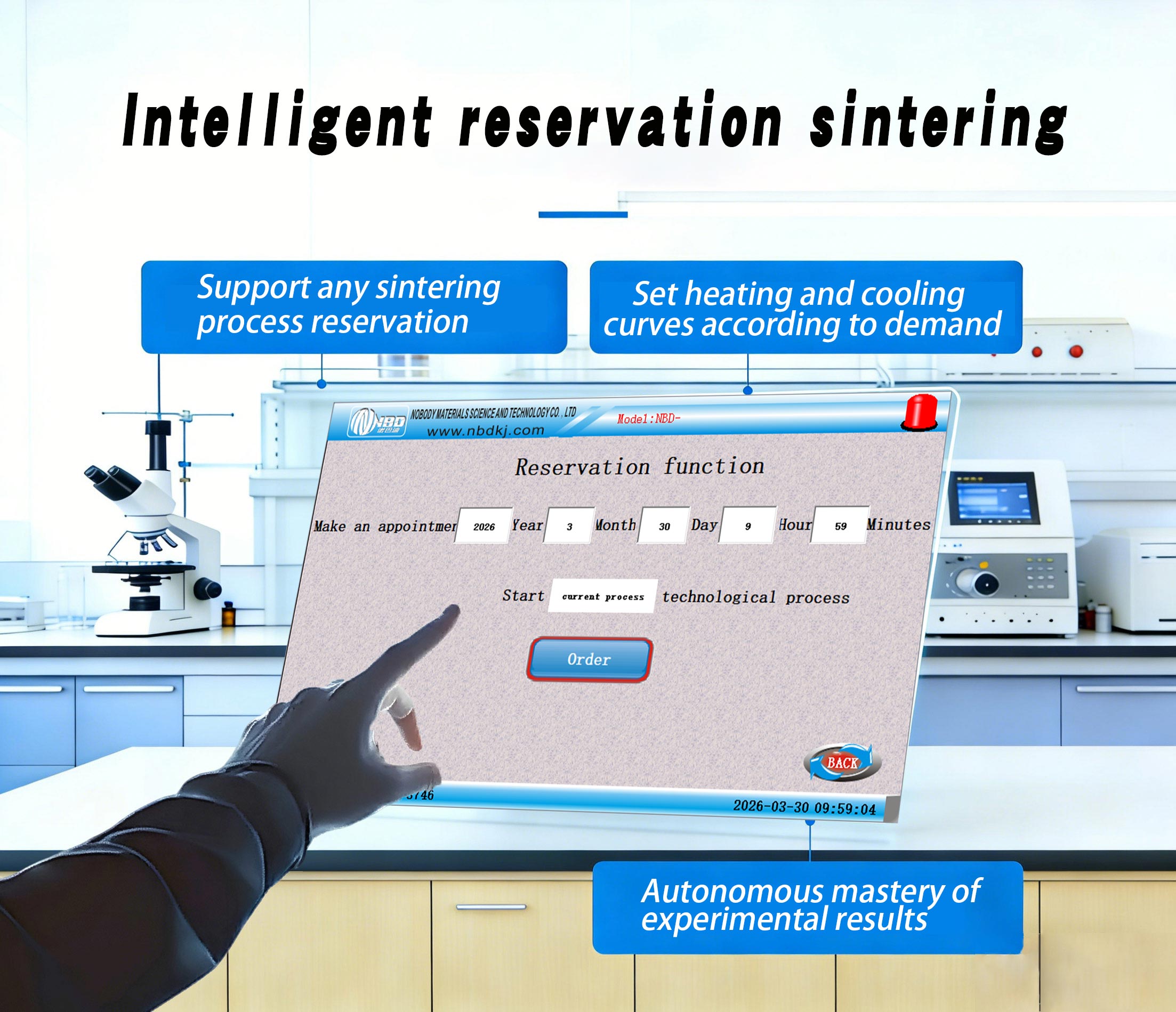 | equipment utilization, ensure sintering process stability, save waiting time, and achieve efficient and orderly sample preparation. |
Nonlinear temperature correction | 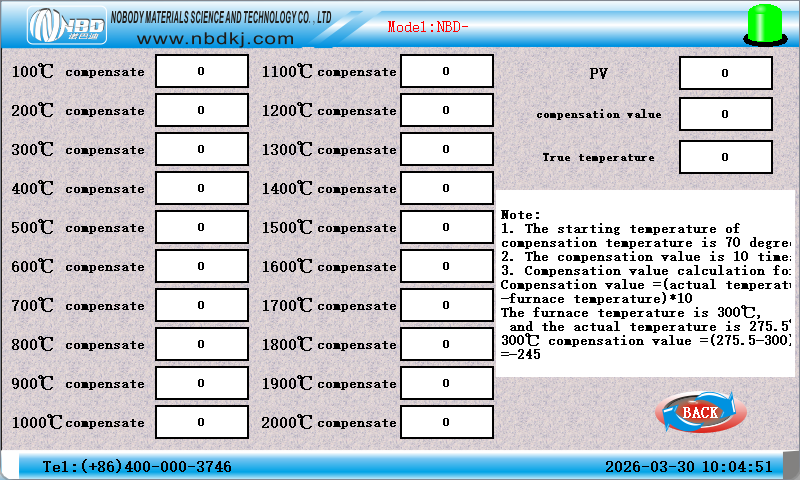 | By using algorithms to nonlinearly correct the temperature deviation between the control point and the sample due to their different positions in the temperature field, the consistency between the control temperature and the sample temperature is improved, the operation is simplified, and the accuracy of experimental data is enhanced. |
remote control | 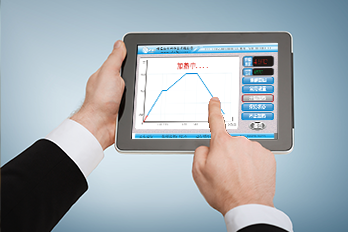 | You can log in to the control system anytime and anywhere through computers, mobile phones, and other terminals to view the operating status of the heating furnace (temperature, pressure, heating rate, etc.), and remotely adjust parameters and start/pause programs according to experimental needs. No need to travel back and forth to the laboratory at night or on holidays to meet the parameter tuning needs during the experimental process; Real time monitoring of key experimental processes can also be achieved during cross regional business trips, significantly reducing ineffective commuting time and allowing researchers to allocate work energy more efficiently. |
data storage | 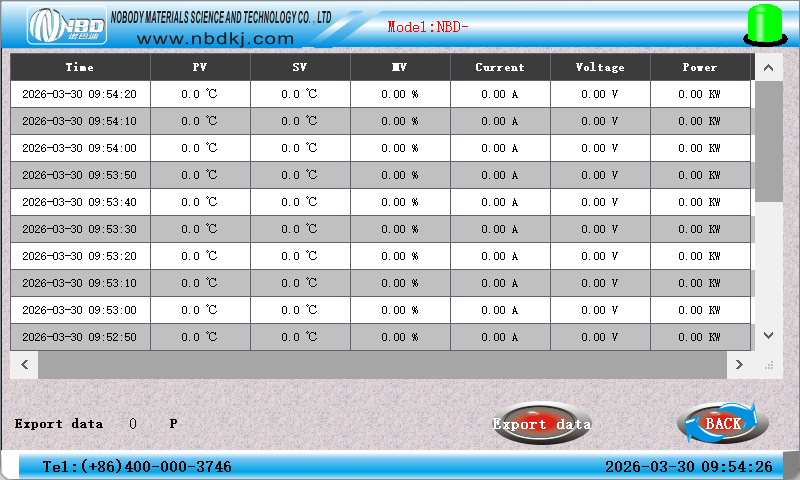 | Ensure data security, integrity, standardized management, and efficient retrieval |
Multiple sets of exclusive process programs can be pre-set | 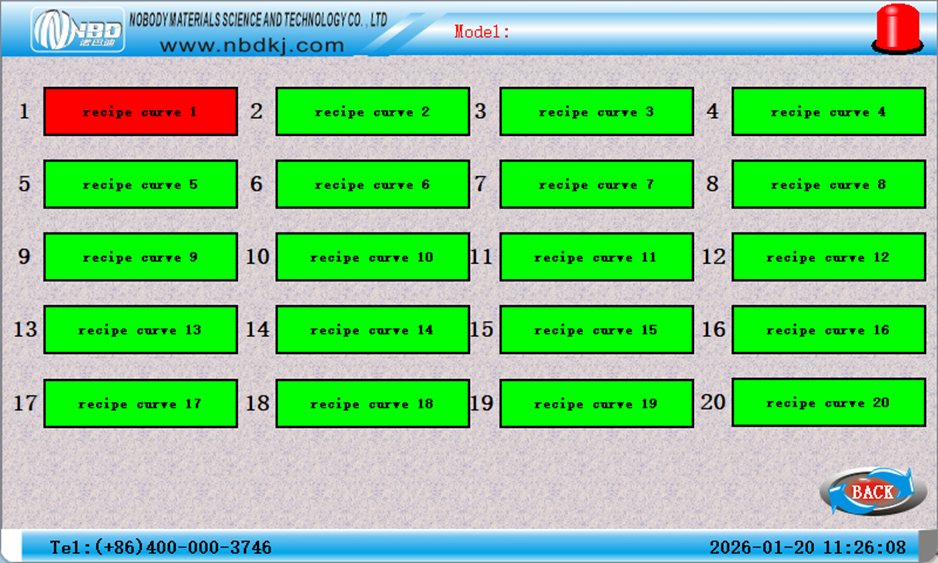 | Multiple types of experiment specific temperature programs can be preset to ensure experimental repeatability and ease of operation, support process optimization and data tracing, adapt to team collaboration and technical inheritance, greatly improving experimental efficiency and design flexibility |
Stainless steel vacuum reaction chamber (water-cooled flange) | 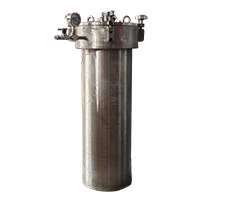
| High temperature and pressure resistance, strong corrosion resistance, leakage prevention |
Service Support | 1-year warranty, providing lifetime service (warranty scope does not include consumable parts) |
Disclaimer: The product introduction content on this website (including product images, product descriptions, technical parameters, etc.) is for reference only. Due to delayed updates, there may be some discrepancies between the content and the actual situation. Please contact our customer service personnel for confirmation. The information provided on this website does not constitute any offer or commitment. Nuobadi Company may periodically improve and modify any information on the website without prior notice.
1. Preparation of Rare/Refractory Metals (Core Application)
Electrolytic reduction of refractory metals such as titanium, zirconium, niobium, tantalum, tungsten, molybdenum, etc
Typical process: FFC Cambridge electrolysis of metal oxides
Extraction and high-purity preparation of rare earth metals (lanthanum, cerium, neodymium, samarium, etc.)
Small scale research and development of high-purity metal powder and target material raw materials
2. Preparation of highly active metals by electrolysis
Water solution cannot be achieved and must be carried out in molten salt:
Alkali metals such as lithium, sodium, and potassium
Magnesium, calcium, strontium and other alkaline earth metals
Laboratory preparation of battery grade high-purity lithium, sodium, and calcium
3. High purity silicon&semiconductor/photovoltaic materials
Preparation of high-purity silicon and electronic grade silicon by molten salt electrolysis
Electrochemical synthesis of precursors such as silicon carbide (SiC) and silicon nitride
Research on New Semiconductor Electrode and Device Materials
4. Special alloys and intermetallic compounds
Electrolytic synthesis of titanium alloys, high-temperature alloys, and high entropy alloys
Superconducting materials (Nb ∝ Sn, etc.), hydrogen storage alloys
Preparation of intermetallic compounds and gradient structured materials
5. Synthesis of Ceramic Powder and Functional Materials
Carbides: TiC, SiC, B ₄ C
Nitride and boride ceramic powders
Fluorescent powder, dielectric material, electrode material
6. Research on Molten Salt Batteries and Energy Storage Materials
High temperature molten salt battery, sodium sulfur battery, liquid metal battery
Performance and stability testing of molten salt system electrodes
Research on New Energy Storage Electrolytes and Interface Electrochemistry
7. Research related to nuclear industry and molten salt reactors
Dry process post-treatment of molten salt reactor (MSR) fuel electrolysis
Electrochemical separation of actinide and lanthanide elements
Corrosion and electrochemical behavior of structural materials in molten salt
8. Resource recycling and metallurgical separation
Electrolytic recovery of valuable metal molten salts from electronic waste
Extraction of Rare and Precious Metals from Slag and Tailings
High purity metal refining, impurity removal, and purification
9. Basic research in universities and research institutes
Research on High Temperature Electrochemistry and Molten Salt Physical Chemistry
Exploration of new electrode materials and new processes
Graduate project, thesis experiment, small sample trial production