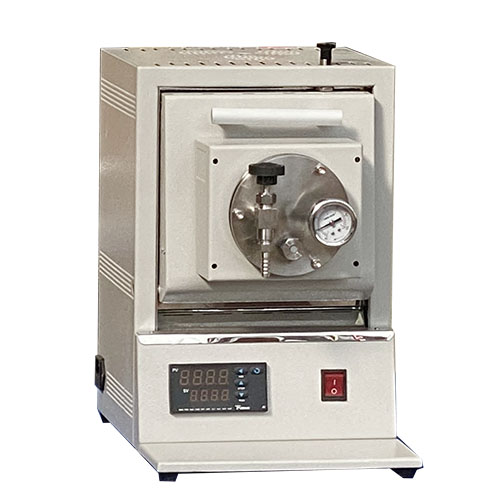
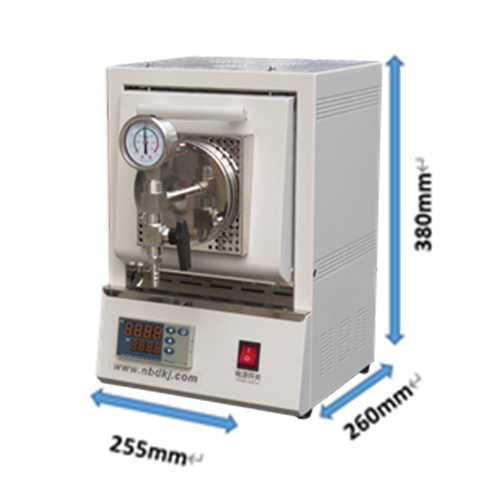
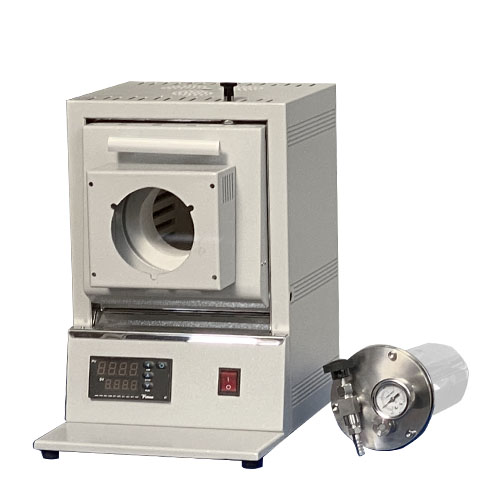
1、 Preparation of Rare/Refractory Metals (Core Application)
Used for electrolytic reduction of metal oxides to produce titanium, zirconium, niobium, tantalum, tungsten, molybdenum, thorium, uranium, and rare earth metals.
Typical process: FFC Cambridge process (direct electrolysis of solid oxide)
Purpose:
Research and development of high-purity titanium powder and titanium alloy
Extraction and purification of rare earth metals (La, Ce, Nd, Sm, etc.)
Nuclear industry materials: preparation of metals such as thorium and uranium
Small batch trial production of refractory metal powder
2、 Electrolysis of high-purity silicon and semiconductor materials
Preparation of high-purity silicon and electronic grade silicon by molten salt electrolysis
Electrolytic synthesis of precursors related to silicon carbide (SiC) and gallium nitride
Research and development of high-purity silicon materials in the photovoltaic/semiconductor field
3、 Preparation of highly active metals
Water solution cannot be electrolyzed, molten salt must be used:
Alkali/alkaline earth metals such as aluminum, magnesium, calcium, sodium, lithium, etc
Laboratory preparation of high-purity lithium metal and lithium alloy
Small scale research and development of battery grade metal raw materials
4、 Special alloys&intermetallic compounds
Electrolytic synthesis of high-temperature alloys, titanium aluminum alloys, and nickel based alloys
Intermetallic compounds: TiAl, Nb ∝ Sn, FeTi, etc
Preparation of New Structural Materials and Superconducting Material Precursors
5、 Research on Molten Salt Batteries and Energy Storage Materials
High temperature molten salt battery, sodium sulfur battery, liquid metal battery
Electrochemical performance testing of electrode materials in molten salt environment
High temperature electrochemical experiments on solid-state batteries and new energy storage systems
6、 Research on Nuclear Industry and Molten Salt Reactor
Molten salt reactor (MSR) fuel: Molten salt electrolysis dry process post-treatment
Electrolytic separation of actinide and lanthanide elements
Research on Corrosion and Electrochemical Behavior of Structural Materials in Molten Salt
7、 Electrolytic synthesis of special ceramics and functional materials
Direct electrolytic preparation of ceramic powders such as TiC, SiC, B-C, TiN, etc
Superconducting materials, precursors of permanent magnet materials
Preparation of ultrafine and nanostructured powders by molten salt electrolysis
8、 University/research institute laboratory (primary usage scenario)
Experiments in Materials, Metallurgy, Chemical Engineering, Nuclear Engineering, and Electrochemistry
Exploration of new processes, trial production of small samples, research on papers/topics
Teaching Demonstration: Principles of Molten Salt Electrolysis and High Temperature Electrochemical Testing