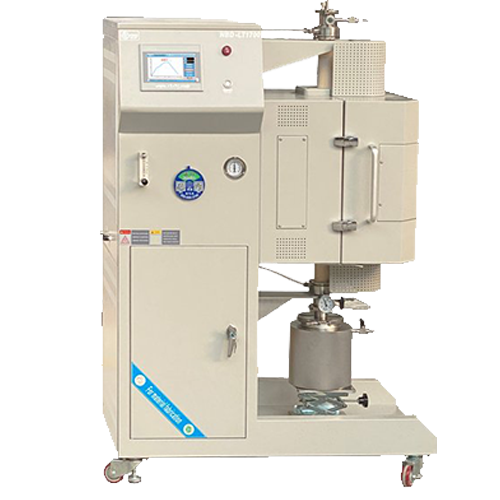
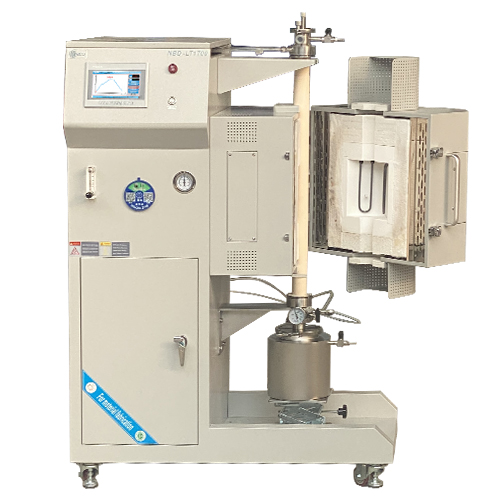
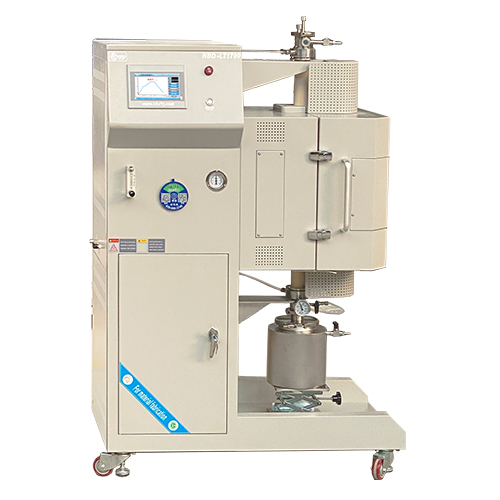
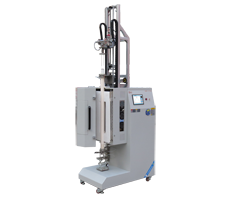
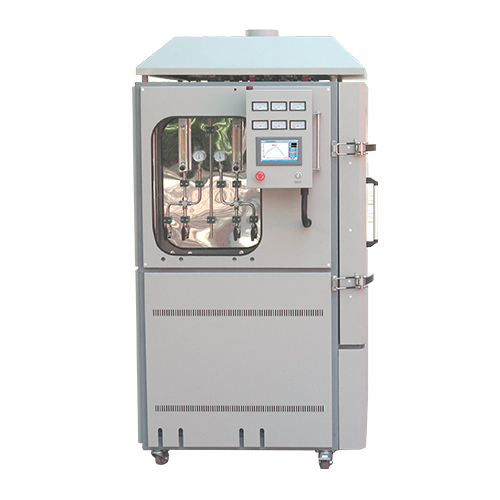
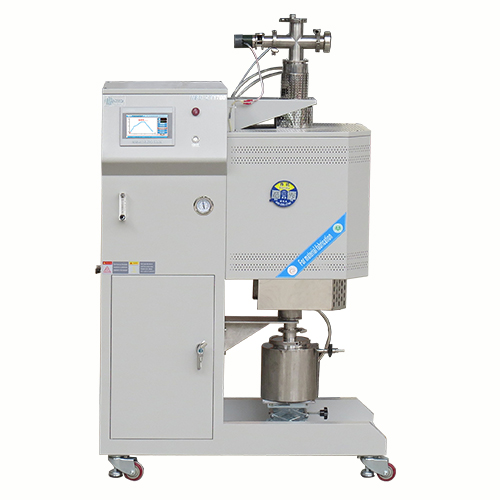
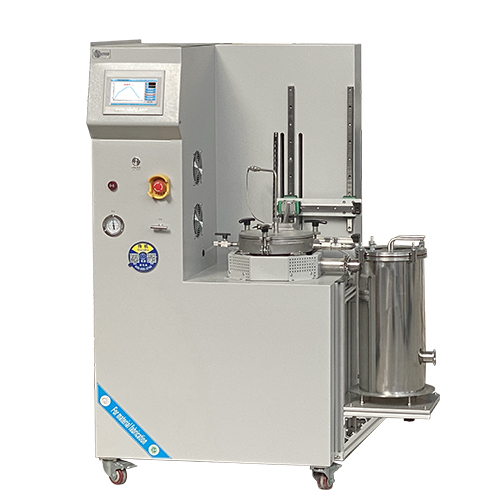
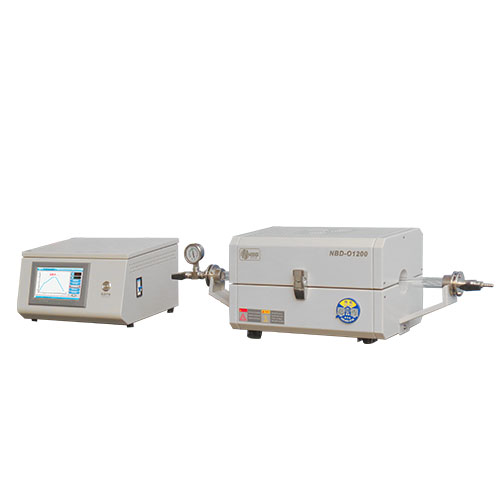
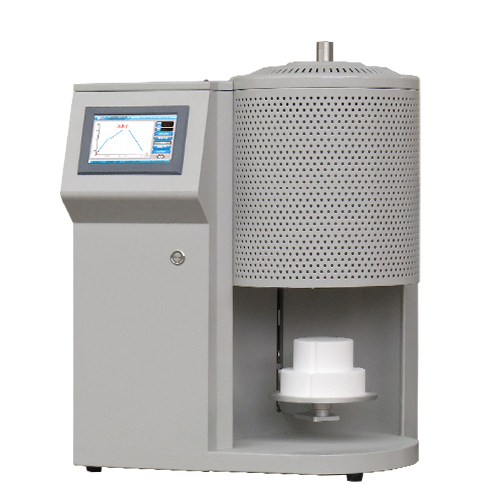
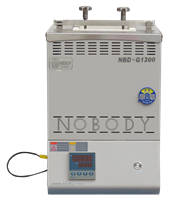
| Equipment features: 1. Efficient heating High quality heating element: Using silicon molybdenum rod high-efficiency heating element to ensure rapid heating and uniform heating. Temperature control accuracy: Adopting advanced PID temperature control system, supporting multi-stage program control, ensuring high temperature control accuracy and good repeatability. Temperature uniformity: By optimizing the layout of heating elements and temperature control system, the temperature distribution inside the furnace is ensured to be uniform, avoiding local overheating or cold spots, and ensuring that each workpiece can obtain consistent quenching effect. 2. Precise atmosphere control Atmosphere control system: It can handle various atmosphere environments, such as vacuum, inert gases (argon, nitrogen), reducing gases (hydrogen), etc., to meet different process requirements. Atmosphere switching device: allows experiments to be conducted under different atmosphere conditions, such as switching from one atmosphere to another. 3. Vertical design • Space saving: The vertical design is more compact and occupies a smaller area compared to the horizontal furnace, making it suitable for use in laboratories and production workshops. • Easy loading and unloading: The upper and lower opening design makes the loading and unloading of workpieces more convenient and efficient, improving work efficiency. • Reduce deformation: Vertical design helps reduce the risk of deformation of workpieces at high temperatures, especially suitable for long or slender shaped workpieces. 4. Easy to operate • Touch screen control interface: equipped with a touch screen control interface, supporting data recording and remote monitoring, easy to operate. User friendly: With a user-friendly interface, it is easy to operate and maintain. • Preset Program: Provides multiple preset quenching programs to facilitate users in selecting appropriate process parameters based on specific needs. |
Equipment name | High temperature vertical quenching furnace |
Specification and model | NBD-LT1700-60TI-200 |
power supply | Single phase 220V 50HZ |
rated power | 4.5KW |
sensor type | B-type thermocouple with a diameter of 8 * 150mm |
Tmax | 1650℃ |
heating rate | 1℃/H-20℃/Min |
Temperature zone length | 200mm |
Furnace size | Length 140 * Height 200 * Depth 140mm |
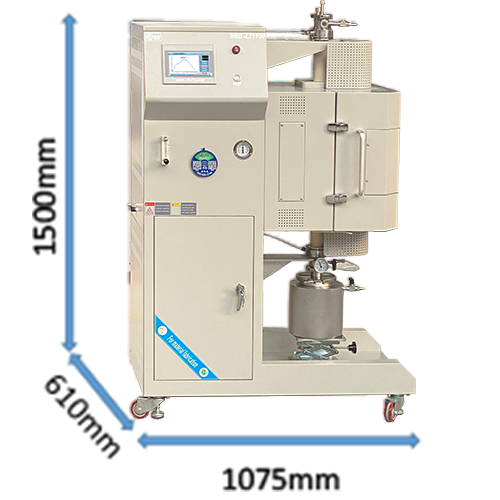
Furnace body size | Length 1075 * Height 1500 * Depth 610mm |
control system | 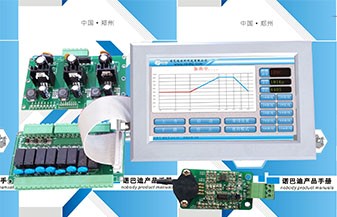
| 1. Sintering process curve setting: dynamically display the set curve, and the equipment sintering can pre store multiple process curves, each of which can be freely set; 2. Pre order sintering is available to achieve unmanned sintering process curve sintering; 3. Real time display of sintering power, voltage and other information, recording of sintering data, and the ability to export for paperless recording; 4. Capable of remote control and real-time observation of equipment status; 5. Temperature correction: The difference between the main control temperature and the sample temperature is nonlinearly corrected throughout the sintering process. |
Appointmentsintering | 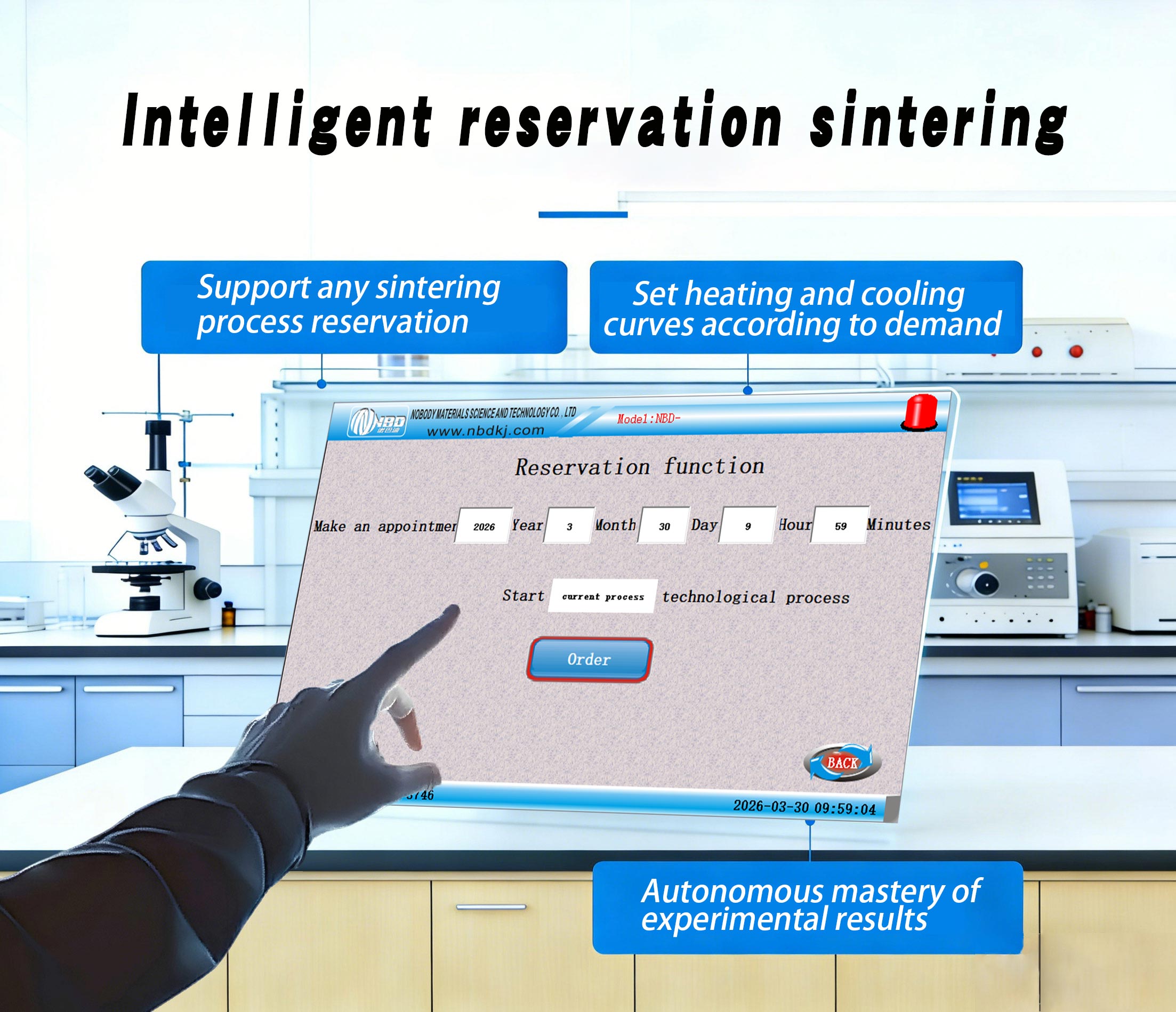 | Optimize equipment utilization, ensure sintering process stability, save waiting time, and achieve efficient and orderly sample preparation. |
Nonlinear temperature correction | 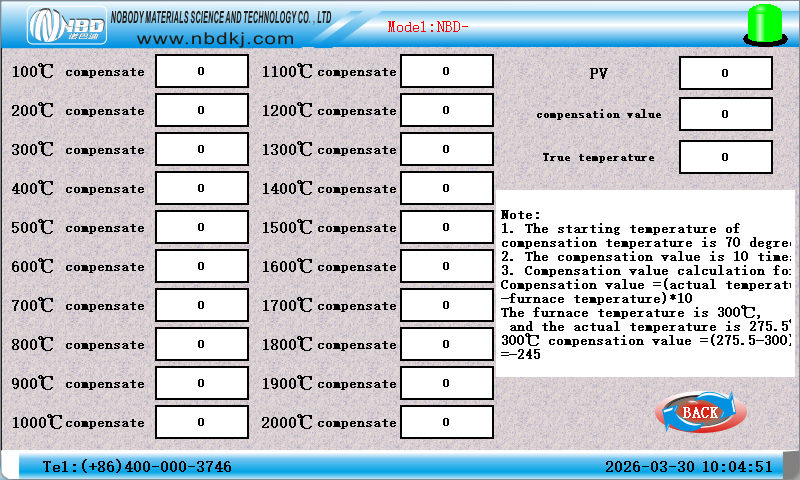 | By using algorithms to nonlinearly correct the temperature deviation between the control point and the sample due to their different positions in the temperature field, the consistency between the control temperature and the sample temperature is improved, the operation is simplified, and the accuracy of experimental data is enhanced. |
remote control | 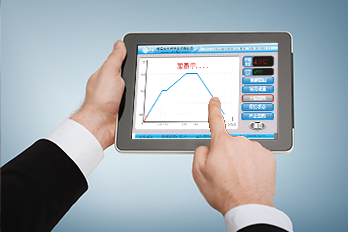 | You can log in to the control system anytime and anywhere through computers, mobile phones, and other terminals to view the operating status of the heating furnace (temperature, pressure, heating rate, etc.), and remotely adjust parameters and start/pause programs according to experimental needs. No need to travel back and forth to the laboratory at night or on holidays to meet the parameter tuning needs during the experimental process; Real time monitoring of key experimental processes can also be achieved during cross regional business trips, significantly reducing ineffective commuting time and allowing researchers to allocate work energy more efficiently. |
data storage | 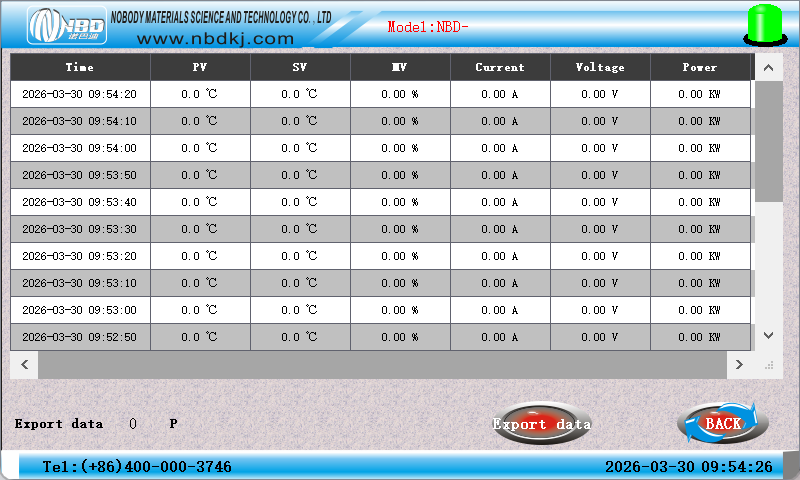 | Ensure data security, integrity, standardized management, and efficient retrieval |
Multiple sets of exclusive process programs can be pre-set | 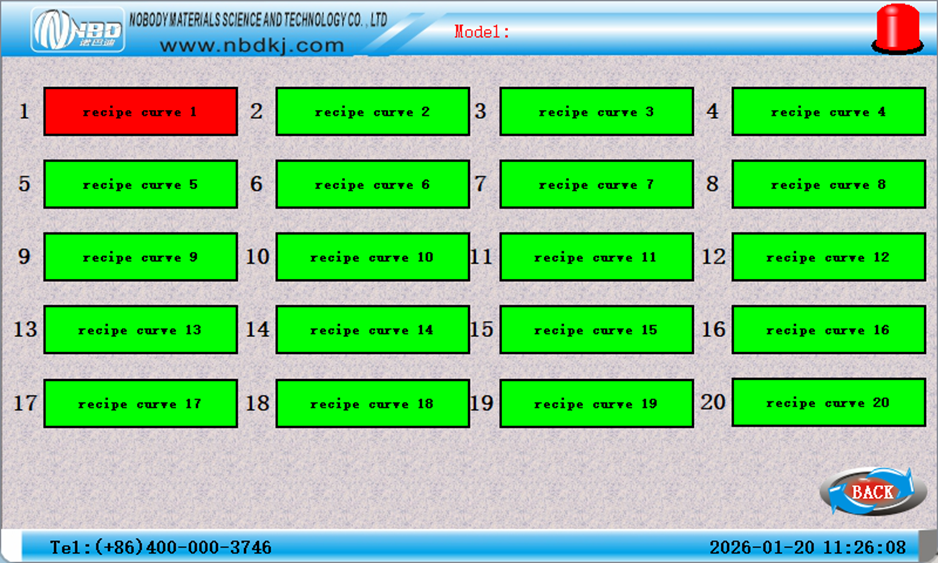 | Multiple types of experiment specific temperature programs can be preset to ensure experimental repeatability and ease of operation, support process optimization and data tracing, adapt to team collaboration and technical inheritance, greatly improving experimental efficiency and design flexibility. |
Temperature Accuracy | ±1℃ |
heating element | 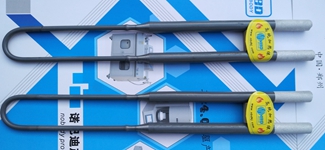
| High purity silicon molybdenum rod |
Quenching jar | 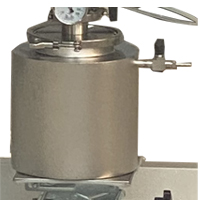
| After the insulation is completed, the automatic lifting system quickly lowers the workpiece into the quenching tank, completely immersing the workpiece in the quenching medium. |
SEALING SYSTEM | 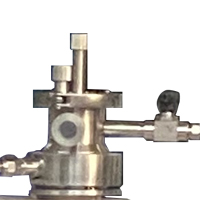 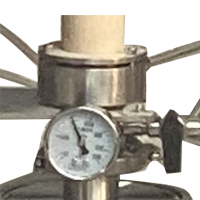
|
Vacuum degree: 10Pa (mechanical pump) |
Pressure measurement and monitoring | 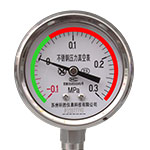
| Mechanical pressure gauges are used, and the gauge housing is of an airtight structure, which can effectively protect the internal components from environmental influences and debris intrusion. At the same time, it has strong corrosion resistance and high temperature resistance. |
Gas supply system | 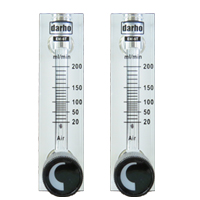
| The gas flow rate is controlled by a float flowmeter, which is integrated with the equipment and has undergone leak testing before leaving the factory. |
net weight | 260KG |
Equipment usage precautions | 1. When the furnace temperature of the equipment is ≥ 300 ℃, it is forbidden to open the furnace to avoid injury; 2. When using the equipment, the pressure inside the furnace tube should not exceed 0.125MPa (absolute pressure) to prevent equipment damage caused by excessive pressure; 3. When used under vacuum, the operating temperature of the equipment should not exceed 800 ℃. 4. The internal pressure of the gas supply cylinder is relatively high. When introducing gas into the furnace tube, a pressure reducing valve must be installed on the cylinder. It is recommended to purchase a small pressure reducing valve for testing, with a range of 0.01MPa-0.15MPa, which will be more precise and safe to use. 5. When the temperature of the furnace body is higher than 1000 ℃, the furnace tube cannot be in a vacuum state. The pressure inside the furnace tube should be equivalent to atmospheric pressure and maintained at atmospheric pressure; 6. Long term use temperature of high-purity quartz tube ≤ 1100 ℃ 7. It is not recommended to close the exhaust and intake valves at the flange end of the furnace tube during heating experiments. If it is necessary to close the gas valve to heat the sample, it is necessary to constantly monitor the reading on the pressure gauge. The absolute pressure gauge reading should not exceed 0.15 MPa, and the exhaust valve must be opened immediately to prevent accidents (such as furnace tube rupture, flange flying out, etc.). |
Service Support | One year limited warranty with lifetime support (warranty does not include consumable parts such as processing tubes and O-rings, please order replacement parts at the relevant product below). |